
Watch This Video To Sell More Cars!
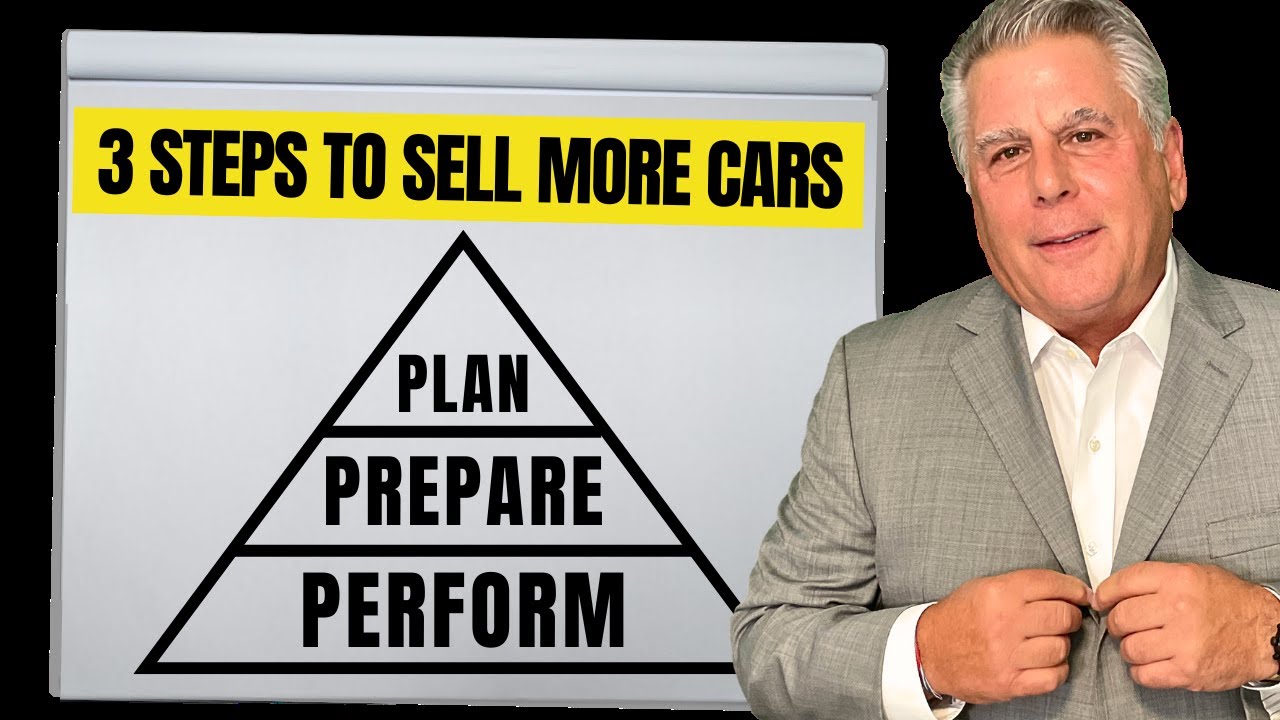
What’s the difference between sales teams that consistently crush their numbers and those that struggle to move inventory? It comes down to process, discipline, and consistency.
Every dealership has talented people. The challenge isn’t usually a lack of skill—it’s a lack of structured habits that deliver predictable results. In today’s hyper-competitive automotive market, where customers can price-shop across multiple dealerships in seconds, “winging it” isn’t enough. If your team doesn’t have a proven process for planning, preparing, and performing with every customer, you’re leaving deals—and profit—on the table.
That’s where Product Prep and Gerry Gould come in. With decades of front-line experience and a track record of transforming dealership cultures, Gerry doesn’t just teach word tracks or canned scripts. He teaches the principles behind them. Why? Because customers see through gimmicks. What works is natural, confident communication backed by consistent execution across the sales team.
In this article, we’ll explore a framework designed to help your dealership not only sell more cars but also build long-term trust with your customers. You’ll learn why habits matter, how to respond to internet leads with precision, and why every conversation needs a strong call-to-action (CTA). If you want your sales team to go from average to unstoppable, this is your playbook.
Key Takeaways
- Turn word tracks into natural conversations that feel genuine and build trust.
- Consistency beats gimmicks: build a process-driven culture instead of chasing quick wins.
- Respond to internet leads fast—within minutes, not hours.
- End every interaction with a strong CTA to keep the deal moving forward.
Why Planning, Preparation, and Performance Matter in Car Sales
One of Gerry Gould’s core philosophies is simple but powerful: Plan. Prepare. Perform. It’s a mantra that should guide every dealership interaction—from a first meet-and-greet to closing finance.
When sales professionals plan, they approach every customer interaction with a strategy. They don’t rely on luck or last-minute improvisation. Preparation sharpens their delivery, builds confidence, and ensures they’re ready to handle objections. And performance is the execution—the moment of truth where process and preparation turn into results.
But here’s the catch: performance doesn’t improve by chance. It improves by habit. Research (and real-world dealership results) shows that it takes 21 days to form a habit. That means if you want a sales process to stick—whether it’s responding to leads faster or using word tracks effectively—you need consistent practice, not one-time training.
Many dealerships try to compensate for lack of process with discounts or gimmicks. Throwing an extra $7,000 on the hood may win you a deal in the short term, but it erodes profitability and creates a culture of desperation. Consistency, on the other hand, builds trust. Customers return because they know what to expect. Managers trust their salespeople because they see the process in action. And dealerships win because every customer is given a fair, ethical, and professional experience.
The Power of Word Tracks
Word tracks are one of the most valuable tools a salesperson can use—but only if they’re applied correctly. Too often, dealerships treat them like scripts to be memorized line-for-line. The problem? Customers can tell when you’re reading from a script, and it feels unnatural.
Gerry Gould teaches that word tracks are not about the words themselves—they’re about the principles behind them. When you understand the “why” behind a track, you can adapt it to fit your personality, the situation, and the customer in front of you.
Memorize and Personalize
Think of your favorite song or a prayer you’ve said a hundred times. You don’t have to think about it—it flows naturally. That’s how word tracks should feel for a professional salesperson. The goal isn’t robotic repetition; it’s natural recall.
To get there, repetition is key. Salespeople should practice word tracks until they become second nature, but they also need the freedom to personalize them. For example, instead of saying, “What will it take to earn your business today?” (which sounds outdated and transactional), a salesperson might say, “What’s most important to you in making this decision?” Same principle—different delivery that feels authentic.
Communicate Without Pressure
One of the biggest misconceptions in automotive sales is that word tracks are a form of manipulation. Done wrong, they can feel that way. Done right, they are the opposite.
Effective word tracks remove pressure from the customer because they guide the conversation in a way that feels natural. They address concerns directly instead of dodging them. They show empathy and understanding instead of aggression. For instance, if a customer says, “I need to think about it,” the wrong response is to push harder. The right response might be: “Of course—I wouldn’t want you to rush. Can I share what other customers found helpful when making their decision?”
That’s not pressure—that’s guidance. And it builds trust.
Building Confidence Through Practice
Managers play a critical role here. It’s not enough to hand salespeople a list of word tracks and hope they memorize them. Word tracks should be part of weekly training meetings, role-playing exercises, and one-on-one coaching.
When practiced regularly, they build a culture where communication is second nature. That’s how you avoid salespeople stumbling through conversations or freezing when faced with objections. Instead, they respond naturally, confidently, and in a way that moves the deal forward.
Responding to Internet Leads the Right Way
If there’s one area where dealerships are bleeding opportunities, it’s internet leads. Customers today shop online first, and by the time they submit a lead, they’ve likely sent inquiries to three or four different dealerships. That means your response has to stand out—and speed is everything.
Speed is Everything
The golden rule: respond within 10 minutes—ideally within 5.
Why? Because every minute you wait decreases the chances of engagement. Customers are busy. If your email or call comes hours later, they’ve likely moved on to another dealer who answered faster.
Yet too many dealerships fail in this area. They send generic CRM templates that look like spam. They wait until the next day to respond. Or worse, they ignore text communication, even though texting is often the customer’s preferred method.
A customer who feels ignored doesn’t give second chances. Fast response times show professionalism and urgency, and they instantly set you apart from competitors.
Be Direct, Give Value
One of the biggest mistakes sales teams make with internet leads is being vague or evasive. When a customer asks a question, answer it—directly and honestly.
Think about it from the buyer’s perspective. They’ve just sent out three or four leads to different dealerships. One dealer responds with: “Yes, we have the vehicle. When can you come in to discuss pricing?” Another dealer sends: “Yes, we have the vehicle. Here are the cash, lease, and finance options. Attached is a worksheet breaking down the numbers, including taxes and fees. When would you like to schedule delivery?”
Which response would you choose?
Providing worksheets, quotes, and real purchase options upfront might feel like “too much information” to some salespeople. But in today’s market, transparency is your competitive edge. Customers want to see numbers, understand their options, and feel empowered to make a decision. The dealer that delivers that experience wins.
The CTA Advantage
Every customer interaction—whether it’s a phone call, email, or showroom visit—should end with a clear call-to-action (CTA). Without one, the conversation drifts, and the customer leaves without a next step.
CTAs don’t have to be complicated. They can be as simple as:
- “When would you like to schedule a test drive?”
- “If these numbers look good, I can prepare the paperwork for you now.”
- “Would you prefer to lease or finance this vehicle?”
- “When can my F&I manager give you a quick call to go over your options?”
The goal is to move the conversation forward. Gerry Gould often shares how adding CTAs to his videos instantly increased engagement. The same principle applies in sales: when you give customers a clear path forward, they’re more likely to act.
Building a Culture of Transparency and Discipline
Many dealerships try to win customers by undercutting prices. But gimmicks don’t build long-term loyalty. What customers truly want is an honest, transparent process backed by consistent execution.
At Product Prep, we emphasize that transparency isn’t just about pricing—it’s about communication. From how quickly you respond to leads, to the tone of your emails, to the way you present worksheets, transparency signals professionalism.
A great example of this comes from Hyundai dealerships that feature intro videos of their sales consultants on their websites. Each consultant introduces themselves, shares their background, and invites the customer to connect. These videos put a face to the name, build instant rapport, and differentiate the dealership from competitors who remain faceless behind emails and price quotes.
How Sales Managers Can Lead the Process
Sales managers are the linchpin in transforming dealership culture. Without strong leadership, even the best processes fall apart. Gerry Gould emphasizes three core responsibilities for managers: purposeful training meetings, accountability with leads, and consistent reinforcement of culture.
Training Meetings with Purpose
Training shouldn’t be an afterthought. Managers should plan weekly reviews using the Product Prep handbook, walking through scenarios, role-playing word tracks, and reinforcing the Plan–Prepare–Perform model.
Purposeful training keeps the team sharp, prevents complacency, and creates alignment across all salespeople. When training is treated as a priority—not just a checkbox—it directly translates to better customer experiences and more deals closed.
Accountability with Internet Leads
Managers must hold their team accountable for lead responses. A simple but powerful question every manager should ask during lead reviews: “Why wasn’t the worksheet sent?”
This creates a culture of accountability. Instead of excuses, salespeople know they’ll need to justify their choices. Over time, this expectation trains the team to always provide customers with the best information possible, right from the first contact.
From Process to Culture
Ultimately, the goal isn’t just to implement processes—it’s to make them part of the dealership’s culture. When consistency becomes habit, performance follows naturally.
Dealerships that embrace this culture see measurable benefits:
- Higher PVR because customers trust the process.
- Lower turnover because salespeople feel supported and empowered.
- Stronger CSI (Customer Satisfaction Index) scores, leading to repeat and referral business.
FAQs
1.How quickly should I respond to an internet lead?
Within 10 minutes maximum, ideally within 5. Every minute you delay decreases the chance of engagement.
2. What’s the difference between word tracks and scripts?
Scripts are rigid and robotic. Word tracks are flexible tools based on principles. When personalized, they feel natural and build trust.
3. Why do CTAs matter so much in car sales?
Without a CTA, conversations stall. CTAs create momentum and give the customer a clear next step, increasing the chance of closing.
4. How can managers make training stick for their teams?
Consistency. Weekly training meetings, role-play sessions, and accountability checks ensure habits form and processes stick long-term.
Conclusion
Selling more cars isn’t about gimmicks or luck. It’s about discipline, consistency, and customer-focused communication. The Plan–Prepare–Perform model ensures that every interaction with a customer is professional, structured, and effective. Word tracks provide a framework for natural conversations, while fast, transparent responses to internet leads build trust from the start. And with every interaction ending in a clear CTA, momentum never stops.
By the way, you’re invited to check out our world-class F&I training program where the average F&I Manager increases their PVR by over 30% in the first month. You’ll have access to 100+ hours of training videos personalized to your weaknesses. Plus, you get exclusive access to see Gerry Gould LIVE twice per month to ensure you continue to grow your skillset and income. Come join a community of the top F&I Managers in the country and the #1 F&I Training in the world. For $149 you can pay that off with one extra deal we’ll personally teach you in the first week of training.