
Watch This Real Dealership Meeting to Improve Your Culture
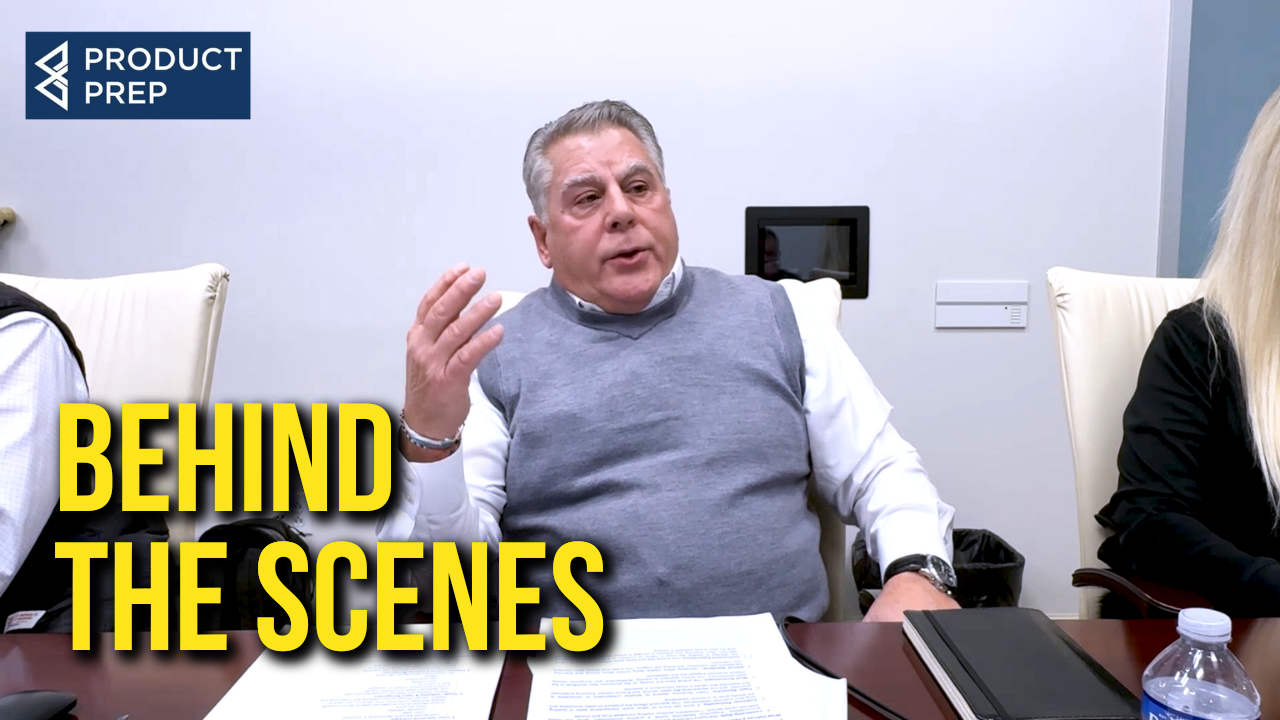
What if the reason customers walk away from your dealership has nothing to do with price, inventory, or incentives, and everything to do with culture? Not the culture written on a poster in the breakroom, but the culture customers feel the moment they turn onto your lot. The way your salespeople stand, move, greet, and engage. The way leadership shows up. The way your team works together when pressure hits. This article breaks down powerful lessons from a real dealership board meeting led by Product Prep, featuring insights from Gerry Gould.
It is not theory. It is not motivational fluff. It is a raw look at how dealership culture directly impacts sales performance, customer trust, and long term success on the sales floor. If you want your salespeople to sell more cars, handle objections better, and keep customers from shopping you down the street, it starts here.
Key Takeaways
Before diving deeper, here are the most important lessons sales leaders and salespeople should take away from this meeting.
- First, dealership culture is defined by behavior, not slogans. What salespeople do every day matters more than what leadership says they value.
- Second, customers form opinions before the first handshake. The condition of the lot, the energy of the sales team, and visible leadership all shape expectations instantly.
- Third, leadership standards determine sales performance. When managers allow inconsistency, favoritism, or bad attitudes, sales results suffer.
- Fourth, strong team dynamics help salespeople close more deals. A healthy environment supports confidence, urgency, and collaboration on the sales floor.
- These themes show up repeatedly throughout the meeting, and they explain why some dealerships consistently outperform competitors even when pricing and inventory are similar.
Why Sales Culture Starts Before the Customer Walks In
Most dealerships think culture shows up during the sales process. In reality, it starts long before the first word is spoken.
Customers begin forming opinions the moment they turn into your dealership. They notice whether the lot is clean, organized, and inviting. They notice if salespeople are standing with purpose or wandering aimlessly. They notice if anyone is ready to greet them or if they feel ignored.
This first impression sets the tone for the entire interaction. A customer who feels confident walking in is more open to conversation. A customer who senses disorganization or disengagement immediately becomes defensive and price focused.
Sales culture lives in these details. Are cars lined up properly. Is snow removed promptly. Are sales consultants visible and ready. Or are they leaning against walls, on their phones, or smoking outside while customers pull in.
None of this requires advanced training. It requires standards. When leadership enforces clear expectations, salespeople understand what professional selling looks like. When leadership ignores it, the culture quietly deteriorates.
Strong culture does not announce itself. It is felt. Customers may not articulate it, but they know when they are in a place that feels professional and trustworthy.
Leadership Presence and How It Impacts Salespeople
One of the strongest points raised in the meeting is how leadership presence defines dealership culture.
Customers should know who is in charge the moment they walk in. They should recognize managers by appearance, confidence, and positioning. When leadership blends in or disappears, the sales process loses authority.
Salespeople draw confidence from strong leadership. When managers are visible, consistent, and engaged, sales consultants feel supported. They are more decisive, more professional, and more effective.
Leadership presence also sets behavioral standards. If managers dress professionally, address issues quickly, and hold everyone accountable, salespeople follow suit. If managers look disengaged or inconsistent, salespeople mirror that behavior.
The meeting highlights how perception alone can influence customer behavior. Customers often assume the person who looks like leadership is leadership. That perception shapes trust and cooperation during negotiations.
For sales teams, leadership clarity creates structure. Structure creates confidence. Confidence closes deals.
Customer First Sales Philosophy Wins More Deals Long Term
A major theme of the meeting is customer philosophy. Specifically, whether a dealership operates purely on numbers or truly focuses on the customer experience.
Salespeople often feel pressure to push deals through at all costs. While closing is important, long term success depends on trust. Customers who feel respected buy more often, refer others, and return for future purchases.
The meeting contrasts ethical, customer focused dealerships with stores that rely on deceptive tactics. While some unethical processes may close deals short term, they damage reputation, CSI, and long term sales performance.
Salespeople benefit from working in customer focused environments. When the dealership prioritizes transparency and professionalism, sales consultants do not need to rely on pressure or manipulation. Instead, they build value and credibility.
This approach does not mean giving cars away. It means creating an experience where customers feel confident buying from you. Confidence reduces resistance. Resistance kills deals.
When salespeople believe in the process and trust leadership, they sell better. Customers feel that confidence and respond accordingly.
Why Customers Leave and Buy Somewhere Else for More Money
One of the most eye opening moments in the meeting addresses a common frustration.
Customers leave your dealership with a lower payment quote. They shop down the street. They buy the same car for more money and a higher payment.
How does this happen?
It is not price. It is not inventory. It is training and process.
Competitors often outsell better dealerships because they practice, drill, and rehearse their sales process relentlessly. Even if the process is flawed or unethical, repetition makes it effective.
Many strong dealerships rely on good intentions rather than consistent execution. Salespeople assume customers will recognize value on their own. That assumption is costly.
Sales culture must include structured training, repetition, and clear messaging. When customers arrive in the showroom, salespeople must guide the experience confidently and consistently.
The internet gets customers in the door. The showroom experience closes the deal.
If your salespeople are better trained and more professional, they should win more deals. But only if the customer actually experiences that difference.
Teamwork vs Team Dynamics on the Sales Floor
Teamwork is visible. Team dynamics are not.
Teamwork looks like people helping each other, sharing customers, and supporting deals. Team dynamics exist under the surface. They show up when pressure hits or something goes wrong.
Poor team dynamics create tension, gossip, resentment, and disengagement. Strong team dynamics create trust, accountability, and shared success.
Managers often miss this distinction. They focus on surface level teamwork while ignoring deeper issues like favoritism, inconsistent standards, or unchecked negativity.
The meeting emphasizes that managers control team dynamics. By enforcing fairness, respect, and consistency, leadership protects the sales environment.
Salespeople perform better when they feel valued and respected. When dynamics are unhealthy, even top performers struggle to maintain consistency.
Culture is not just about motivation. It is about emotional safety and professional standards.
When a Top Producing Salesperson Hurts the Team
Every dealership has one.
The salesperson who sells 30 or 40 cars a month but disrupts the team. They break rules, create tension, or undermine leadership.
The meeting addresses this issue directly. High production does not excuse toxic behavior.
When managers allow exceptions for top producers, they send a clear message to the rest of the team. Standards are optional. Respect is negotiable.
This damages morale and performance. Other salespeople lose motivation. Team dynamics suffer. Long term sales potential declines.
The solution is not punishment. It is consistency. High performers must play by the same rules as everyone else.
When salespeople see fairness enforced, trust increases. Trust fuels performance.
Strong culture protects the entire team, not just the top of the leaderboard.
Sales Floor Environment Reflects Sales Culture
Culture is visible in small behaviors.
A salesperson walking past trash on the lot. A messy desk that never gets addressed. A disengaged response to a simple greeting.
These details matter. They reflect pride, accountability, and standards.
Customers notice these things. Even if they do not consciously register them, they feel the difference.
A clean, organized, energetic environment signals professionalism. A neglected environment signals indifference.
Salespeople absorb the environment they work in. When standards are high, behavior rises to meet them.
Managers must model and enforce these expectations. Culture is maintained through daily discipline, not occasional meetings.
Setting Expectations That Help Salespeople Win
One of the most important lessons from the meeting is the role of expectations.
Strong leadership sets clear expectations early. Salespeople know what is required, what success looks like, and what happens if effort is lacking.
This approach is not soft. It is demanding. But it is also fair.
Salespeople who put in effort receive attention, coaching, and opportunity. Those who do not are quickly filtered out.
This clarity benefits everyone. High performers thrive. New salespeople know where they stand. The culture remains strong.
Leadership that avoids discomfort creates confusion. Confusion kills performance.
Clear expectations create focus. Focus creates results.
How Sales Managers Can Apply These Lessons Immediately
Step 1: Hold Real Sales Meetings That Address Culture
Sales meetings should go beyond numbers. They should address behavior, standards, and expectations.
Discuss what professional selling looks like. Address issues directly. Reinforce positive behavior consistently.
Culture improves when it is openly discussed and actively managed.
Step 2: Evaluate the Sales Experience from the Customer’s Eyes
Walk your lot. Enter your showroom like a customer. Observe greetings, posture, energy, and urgency.
Fix what customers feel before you fix what salespeople say.
Step 3: Train Salespeople on Process, Not Just Price
Sales success depends on process. Train greetings, needs analysis, vehicle presentation, and objection handling.
Practice regularly. Repetition builds confidence. Confidence closes deals.
FAQs
1. How does dealership culture affect car sales performance?
Culture shapes behavior, confidence, and consistency. Strong culture improves customer trust and salesperson effectiveness.
2. What role do sales managers play in shaping culture?
Managers set standards, enforce consistency, and model behavior. Culture rises or falls with leadership.
3. How do you handle negative attitudes on the sales floor?
Address them quickly and consistently. Allowing negativity spreads it.
4. Can strong culture really improve closing rates?
Yes. Salespeople who feel supported and confident close more consistently.
5. How quickly can culture changes impact results?
Immediately. Customers feel changes before numbers reflect them.
Conclusion
Dealership culture is not a side project. It is a sales tool. The real dealership meeting highlighted one truth clearly. What customers experience before, during, and after the greeting determines outcomes more than price alone. Salespeople thrive in environments with clear standards, strong leadership, and healthy team dynamics. Customers buy from dealerships that feel professional, confident, and customer focused. If you want to sell more cars, stop guessing. Watch real conversations. Apply real standards. Lead intentionally. Culture is not what you say. It is what your sales floor shows every day.
By the way, you’re invited to check out our world-class F&I training program where the average F&I Manager increases their PVR by over 30% in the first month. You’ll have access to 100+ hours of training videos personalized to your weaknesses. Plus, you get exclusive access to see Gerry Gould LIVE twice per month to ensure you continue to grow your skillset and income. Come join a community of the top F&I Managers in the country and the #1 F&I Training in the world. For $149 you can pay that off with one extra deal we’ll personally teach you in the first week of training.