
The Perfect Turnover: How Sales Sets Up F&I To Maximize PVR
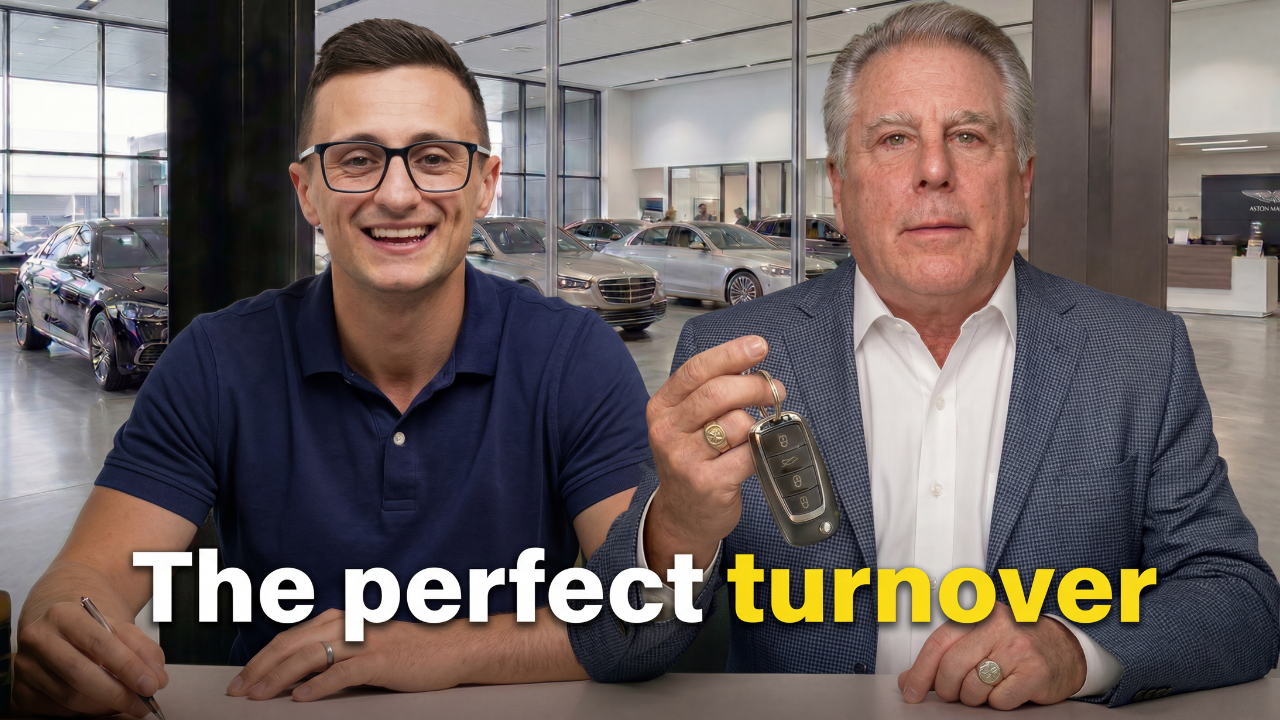
One of the biggest mistakes car salespeople make is thinking the sale is almost over once the customer agrees to the numbers. In reality, one of the most important moments in the entire buying journey happens right after that decision: the turnover.
This is the point where momentum can either continue smoothly or completely fall apart.
A sloppy handoff to F&I creates hesitation. Long wait times create frustration. Weak language like “you just need to go see finance” makes the customer feel like they are being pushed into something unfamiliar. That is where resistance begins.
The best salespeople understand that the turnover is not just a final step. It is a skill. It is part of the road to the sale. It is where trust is transferred, expectations are set, and the customer is guided into the next phase of ownership with confidence.
At Product Prep, Gerry Gould teaches that the quality of the turnover often determines the quality of the customer experience and the strength of the final deal. A great turnover does not feel like a handoff. It feels like a continuation of the same professional, customer-first experience that started on the showroom floor.
If you want smoother deals, stronger customer trust, and better overall dealership performance, mastering the turnover is one of the most important sales skills you can develop.
Key Takeaways
- The turnover is not just a final handoff. It is a critical sales skill that shapes how the customer feels about the rest of the buying process.
- Car salespeople set up a stronger F&I transition by managing expectations early, using better language, and keeping the customer informed.
- Small actions like early introductions, strong word tracks, and smoother wait-time communication can reduce resistance and improve the overall customer experience.
- The best turnovers feel natural, professional, and consistent, helping the deal move forward without losing trust or momentum.
Why the Turnover Matters More Than Most Salespeople Realize
Many salespeople focus heavily on greeting, needs assessment, vehicle presentation, demo drive, trade walk, and negotiation. All of those are critical. But the turnover is where many deals lose momentum.
The customer has already spent time choosing the vehicle, discussing pricing, and making decisions. At this stage, emotions are high. They are excited, mentally tired, and eager to complete the process.
If the next step feels disorganized, the entire experience can shift.
Imagine this common scenario. The salesperson says, “Now you need to go see finance,” and the customer is left sitting for 30 to 45 minutes with no update. During that wait, doubt begins to grow.
What is taking so long?
Why do I need to go back there?
Are they going to try to sell me something?
Did I make the right decision?
This is exactly what Gerry Gould refers to as one of the silent killers.
Great salespeople do not allow silence, uncertainty, or poor communication to control the customer’s emotions. They control the transition.
That is why the turnover matters so much. It protects the customer’s confidence and keeps the process moving forward.
The Silent Killers That Hurt the Customer Experience
Long Wait Times Without Resetting Expectations
One of the biggest issues mentioned in the Product Prep training is excessive wait time.
Customers are often left sitting without updates. This creates frustration quickly.
The problem is not only the wait itself. It is the lack of expectation-setting.
Strong salespeople and managers should clearly explain what is happening next.
For example:
“We are just getting everything finalized for you now. This should take about 10 to 15 minutes while we prepare the paperwork and get the vehicle cleaned up.”
That simple statement reduces uncertainty.
Weak Handoffs That Lower Momentum
The language used during the turnover matters.
Weak phrases like:
- “You have to go see finance”
- “Don’t worry, you don’t have to buy anything”
- “They just need to go over some stuff”
all make the next step sound negative.
Customers immediately put their guard up.
Instead, the turnover should sound professional and helpful.
Example:
“The next step is to meet with our business manager, who will help finalize the paperwork, review your payment options, and make sure everything is set up correctly for delivery.”
This creates confidence instead of concern.
Inconsistent Sales Process
Some salespeople do excellent handoffs. Others rush through them.
That inconsistency creates uneven customer experiences across the showroom floor.
The best dealerships train turnover language and process just like they train meet-and-greet and closing skills.
What the Perfect Turnover Actually Looks Like
A perfect turnover is not simply walking the customer to another office.
It starts earlier.
It begins during the needs assessment.
It continues during the trade walk.
It is reinforced during the presentation and negotiation.
By the time the customer reaches the final step, the process should feel completely natural.
The customer should already understand:
- what happens next
- who they are meeting
- why they are meeting them
- how long it will take
- how it helps complete the purchase
That is what makes the turnover feel smooth.
The customer never feels surprised.
They feel guided.
That is the difference.
Introduction vs Turnover: What Salespeople Need to Understand
This is one of the most important lessons from Gerry Gould’s training.
Many salespeople treat the introduction and turnover as the same thing.
They are not.
The Introduction
The introduction happens early.
This could be a quick flyby from the F&I manager while the deal is being worked.
Example:
“Hi, I’m Jerry. I’m the financial services manager here. I just wanted to introduce myself so you know who will be helping finalize everything once we are ready.”
This small interaction is powerful.
The customer now knows the face and role of the next step.
This lowers anxiety.
The Turnover
The turnover happens later, once the numbers are agreed upon.
This is the formal handoff.
Example:
“Sarah is going to help finalize the paperwork, review everything with you, and make sure the delivery process is smooth.”
The introduction builds trust.
The turnover transfers responsibility.
The best salespeople use both.
How Sales Sets Up F&I the Right Way
Step 1: Set Expectations Early
The turnover should never feel sudden.
Salespeople should mention the process naturally throughout the deal.
For example:
“Once we get everything wrapped up, our business manager will help finalize the paperwork and go over all the ownership details with you.”
This keeps the next step normal.
Step 2: Ask Better Questions
The best salespeople ask questions that naturally support the full buying journey.
Questions such as:
- How many miles do you drive every year?
- How long do you usually keep your vehicles?
- Do you have children or pets riding with you?
- Have you ever had to replace a windshield?
- Do you still have both sets of keys?
These questions do more than gather information.
They make the customer think about long-term ownership.
This makes later conversations easier and more natural.
Step 3: Make the Handoff Feel Professional
Confidence matters.
When salespeople introduce the next step professionally, the customer stays comfortable.
This is not about “sending” the customer somewhere.
It is about guiding them.
Word Tracks Salespeople Can Use for Better Turnovers
Here are Product Prep-style word tracks that work consistently.
Early Introduction
“Before we go any further, I want to introduce you to our financial services manager. They help make the paperwork simple and make sure everything is set up correctly.”
Formal Turnover
“The next step is to finalize the paperwork and review the final details. Sarah will walk you through everything and make the process easy.”
Setting Wait Expectations
“This should take about 10 to 15 minutes while we prepare everything. During that time, we’ll get your vehicle fueled up and ready for delivery.”
These word tracks sound simple because they are.
Simple works.
Consistency wins.
Sales Skills That Make the Turnover Easier
Needs Assessment
The turnover becomes easier when the salesperson has done a strong needs assessment.
Customers who feel understood trust the process more.
If the salesperson already knows driving habits, family needs, ownership plans, and concerns, the next step feels more connected.
Trade Walk
During the trade walk, smart salespeople point out items such as:
- tire condition
- key fobs
- windshield chips
- minor dents
- wheel damage
This helps customers think about ownership realities.
Facility Tour
Gerry Gould emphasizes the power of a facility tour.
Walking customers past:
- service lanes
- technician bays
- tool trucks
- parts inventory
- customer lounge
- shuttle service
helps reinforce dealership credibility.
This makes the full experience feel more professional.
Common Turnover Mistakes Salespeople Should Avoid
Some mistakes quietly damage deals.
These include:
- waiting until the very end to mention F&I
- using weak language
- apologizing for the next step
- letting the customer sit too long
- rushing the handoff
- failing to introduce the business manager early
- making the customer feel passed around
These mistakes may seem small.
But they directly affect trust and customer comfort.
Why Consistency Matters for Every Salesperson
The best salespeople do not “wing it.”
They follow process.
Every customer should experience the same level of professionalism.
That means:
- same expectations
- same transition steps
- same professional language
- same timing
This consistency protects customer experience and dealership reputation.
It also makes newer salespeople more effective faster.
Real-World Example From Product Prep Training
One dealership Gerry Gould worked with had strong showroom traffic but inconsistent delivery experiences.
Customers were agreeing to terms, then becoming frustrated during the final stages.
The issue was not pricing.
It was the handoff.
Salespeople were simply saying:
“Finance will be right with you.”
Customers then sat for 30 minutes with no updates.
After implementing a standardized turnover process with clear word tracks and early introductions, customer satisfaction improved significantly and deals moved much more smoothly.
This is a great example of how small communication changes create major dealership improvements.
How Product Prep Helps Salespeople Improve the Turnover Process
Product Prep focuses on real-world dealership conversations.
Not theory.
Not generic sales advice.
Actual showroom situations.
Gerry Gould’s training teaches salespeople how to:
- control the customer journey
- build trust
- use repeatable word tracks
- create smoother handoffs
- improve professionalism
This is what makes the training so practical.
It can be applied immediately on the floor.
FAQs
1) What is a turnover in car sales?
A turnover is the transition from the salesperson to the next stage of the buying process, usually the business or finance office, where final paperwork and ownership details are completed.
2) When should the F&I manager be introduced?
Ideally early in the process, before the final handoff. This helps the customer feel comfortable with the next step.
3) Why do customers get nervous during the handoff?
Usually because expectations were not set properly or they were left waiting too long without communication.
4) What should salespeople say during the turnover?
Use clear and professional language that explains what happens next and how long it should take.
5) Why is the turnover important?
Because it protects customer confidence and keeps deal momentum strong.
Conclusion
The perfect turnover is not just a final step.
It is a sales skill.
The best car salespeople understand that trust must continue from the showroom floor all the way through delivery.
When the handoff is smooth, professional, and clearly explained, customers stay comfortable and confident.
That creates better experiences, stronger relationships, and smoother deals.
At Product Prep, Gerry Gould’s training helps salespeople master this process with repeatable word tracks, real-world coaching, and strategies that work on the floor immediately.
Because the best turnover does not feel like a handoff.
It feels like part of one seamless customer journey.
By the way, you’re invited to check out our world-class F&I training program where the average F&I Manager increases their PVR by over 30% in the first month. You’ll have access to 100+ hours of training videos personalized to your weaknesses. Plus, you get exclusive access to see Gerry Gould LIVE twice per month to ensure you continue to grow your skillset and income. Come join a community of the top F&I Managers in the country and the #1 F&I Training in the world. For $149 you can pay that off with one extra deal we’ll personally teach you in the first week of training.