
How To Move Up In Your Dealership Career With Top General Manager
Most people in the car business do not want to stay in the same seat forever. A salesperson wants to become a sales manager. A strong F&I manager wants to become a general sales manager or general manager. A new hire wants to prove they belong. The question is: what does it actually take to move up in a dealership career?
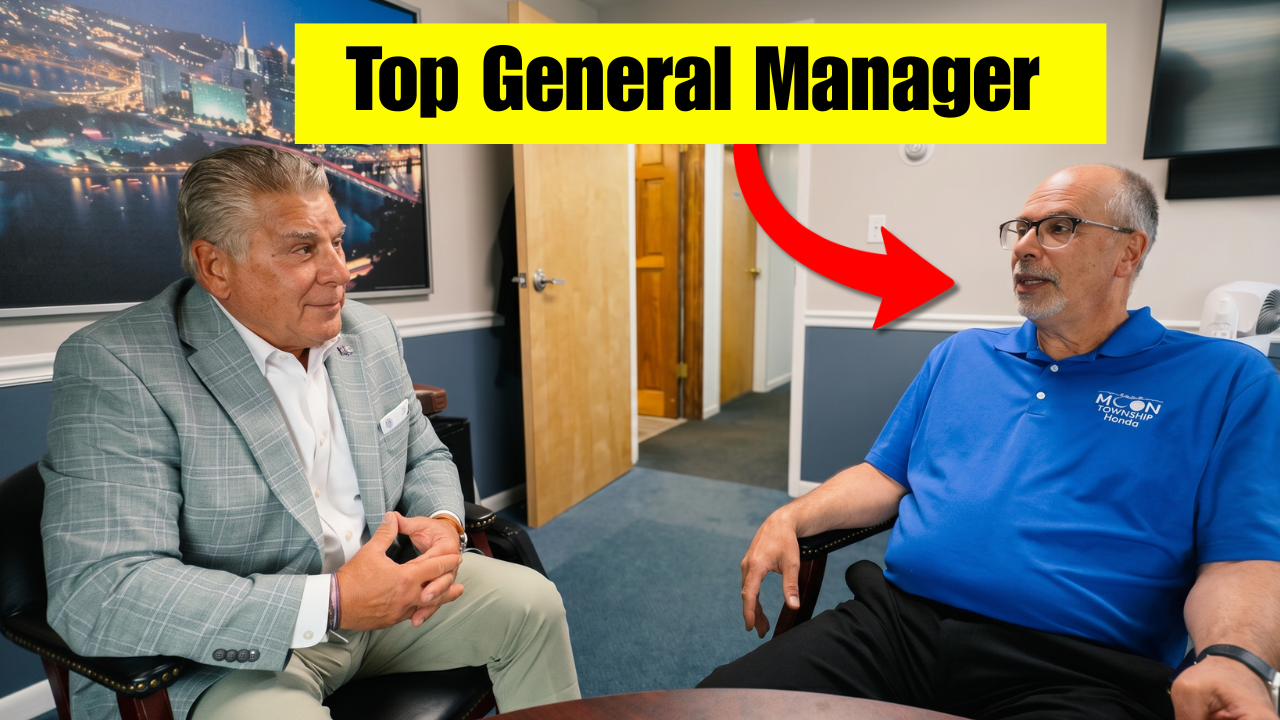
In this Product Prep conversation, Gerry Gould sits down with Scott McDade, a general manager with 36 years in the automotive business. Scott started as a salesperson, worked through multiple management roles, and eventually became a general manager. His advice is valuable because it comes from someone who has lived the climb, promoted people, coached teams, and built strong dealership culture.
This article breaks down how to move up in your dealership career with GM insight from Scott McDade and Gerry Gould. Whether you are a car salesperson, F&I manager, or future leader, the path starts with the same fundamentals: perform well, treat people right, stay coachable, embrace change, and show leadership early.
Key Takeaways
- Promotion starts with performance. Before a dealership can trust you with more responsibility, you need to be excellent in the role you already have.
- People skills matter at every level. Salespeople need them with customers. F&I managers need them for credibility. Sales managers and general managers need them to lead teams.
- Career growth is not always a straight line. Sometimes you move up in the same store. Sometimes you gain experience somewhere else and bring that knowledge back.
- The best leaders coach and mentor. They appreciate good performance, counsel poor performance, and take ownership.
Scott McDade’s Path From Salesperson To General Manager
Scott McDade did not begin his career as a general manager. He started in sales, just like many people in the dealership today. Before that, he came from the restaurant industry, where he learned the value of dealing with people through strong management training programs. That experience mattered because, as Scott explained, people skills are one of the biggest skills a general manager needs.
After entering the car business, Scott spent four years as a salesperson. His management team knew he wanted to move up. Eventually, he became a manager and worked through several roles, including new car manager, used car manager, general sales manager, and finally general manager.
That path matters for both car salespeople and F&I managers because dealership career growth is earned over time. Sales teaches customer communication and urgency. F&I teaches credibility, compliance, structure, and product value. Sales management teaches coaching, deal flow, and accountability. General management requires all of it.
Step 1: Master The Seat You Are In Right Now
One strong point Scott made is that someone needs to be good at what they do before he considers promoting them. That sounds simple, but many dealership employees miss the mark. They want the next title before they have mastered the current responsibility.
For a car salesperson, this means more than selling units. It means following up, handling customers professionally, managing the CRM, completing paperwork correctly, protecting customer satisfaction, and staying consistent when the month gets tough. Sales managers notice who creates clean deals and who creates chaos.
For an F&I manager, mastering the seat means presenting options clearly, staying compliant, building value in products, working well with sales, maintaining lender relationships, and protecting both profit and customer trust. F&I is not just a room where paperwork gets signed. It is leadership inside the deal.
If you want to move up, become the person managers do not have to chase. Be prepared. Be accurate. Be dependable. When your name comes up in a meeting, the team should associate you with clean work, strong effort, and professionalism.
Step 2: Develop People Skills That Work In Every Department
Scott credited his restaurant management background for helping him learn how to deal with people. Gerry immediately agreed because people skills are at the center of dealership leadership.
A dealership is a high-pressure environment. Customers have expectations. Salespeople want answers. F&I managers need complete information. Service writers are managing repair concerns. Managers are watching gross, CSI, compliance, inventory, lender approvals, and the pace of the showroom. The person who can communicate well across those areas becomes extremely valuable.
For car salespeople, people skills help build rapport and trust. Customers are more likely to buy from someone who listens, asks good questions, and makes the process feel easier. But if that salesperson wants to move into sales management, those people skills must grow from customer rapport to team leadership.
For F&I managers, people skills are just as important, but the emphasis shifts. Gerry makes a strong point in the conversation: in sales, rapport may carry more weight, but in F&I, credibility becomes even more important because customers are making financial decisions.
Step 3: Show Leadership Before You Have A Leadership Title
Scott said he looks for leadership characteristics when deciding who should move up. That is a major lesson for anyone trying to grow inside a dealership. You do not wait for the title to start acting like a leader.
Leadership on the sales floor can look simple. You help a new salesperson understand a process. You stay calm when a customer is frustrated. You bring solutions instead of complaints. You make sure the desk has accurate information. You support F&I by setting up the customer properly instead of making promises you cannot keep.
Leadership in F&I can look like helping sales understand why the introduction matters, keeping the deal moving without blaming everyone else, coaching a salesperson on how to avoid payment confusion, or giving management honest feedback about process breakdowns. A strong F&I manager does not just wait for the deal to arrive. They become part of the store’s performance engine.
Scott also made another key point: the person has to want the opportunity. You cannot just throw someone into finance or management and expect success. Desire matters. Ambition matters. Will matters. If you want to move up, make sure your managers know your goals, but also make sure your daily actions support those goals.
Step 4: Learn, Change, And Stay Forward Facing
One of Scott’s best pieces of advice is that people in the car business must be willing to learn and change. He said some people want to keep everything the same, but he embraces change, technology, and better processes.
That mindset is critical today. Dealerships are dealing with online leads, scheduled deliveries, digital retail tools, changing customer expectations, lender requirements, compliance pressure, inventory challenges, and constant competition. If someone wants to move up but refuses to learn new tools or new processes, they make themselves harder to promote.
This is where Product Prep becomes more than a training library. Product Prep gives dealership professionals a way to sharpen their skills through practical automotive training, live sessions, real-world coaching, and lessons from trainers like Gerry Gould. For someone who wants to move up, training is not just about learning scripts. It is about becoming more prepared, confident, and useful to the dealership.
Step 5: Know Which Career Path Fits Your Strengths
One of the strongest parts of Gerry and Scott’s conversation is the difference between promoting someone into F&I and promoting someone into sales management.
Scott explained that when he looks at a salesperson for an F&I opportunity, he wants to see that they are good at what they do, their paperwork is good, customer satisfaction is good, and they show leadership characteristics. They also need to be good with people, able to speak intelligently, and willing to do the job.
F&I requires precision. A great F&I manager must be credible, organized, compliant, and able to present protection products in a way that customers understand. They need to protect profit, but they also need to protect the dealership from sloppy paperwork and poor disclosures.
Sales management requires a different kind of leadership. A sales manager leads a team more directly. They need to coach salespeople, handle deals, manage activity, drive accountability, and keep the showroom moving. Someone can be excellent in F&I and still not want to lead a sales team. That is okay. Dealerships need strong F&I managers just like they need strong sales managers.
The key is knowing where your skills fit and where you want to grow. If you are in sales and want F&I, become clean, credible, and process-driven. If you are in F&I and want sales management or GSM, start developing stronger team leadership, communication, coaching, and storewide awareness.
What General Managers Look For When Hiring And Promoting
When Scott talked about hiring salespeople, he named two major qualities: personality and drive. He said interviewing is nerve-wracking, so managers need enough time to get to know the person. He wants to understand how they will look and sound in front of customers. He asks about short-term and long-term goals because ambition matters in sales.
A dealership can train product knowledge, process, and objection handling. But personality, drive, and willingness to learn are harder to create from scratch.
For promotion, the standards get higher. A general manager is looking for proof that the person can handle responsibility. That proof shows up in paperwork, customer satisfaction, attitude, teamwork, consistency, communication, and how they respond when coached.
This is also why dealership professionals should treat every day like part of the interview. Managers watch how you handle pressure. They notice whether you blame other departments or work with them. They notice whether customers trust you. They notice whether you stay late to help or disappear when things get hard.
How Strong Leaders Build Dealership Culture
Gerry pointed out that Scott built a store with real camaraderie and team dynamics. That does not happen by accident. Culture is not a poster in the breakroom. Culture is what people experience every day when they come to work.
Scott said management must appreciate the people doing the work: salespeople, technicians, service writers, and the rest of the team. When people perform well, acknowledge it. When performance is not where it needs to be, counsel it. Gerry described Scott’s style as rewarding good performance and coaching poor performance rather than simply reprimanding it.
That is a major leadership lesson. If your goal is to become a manager, learn to coach people instead of just criticizing them. Coaching means you care enough to help someone improve. It means you give them process, direction, feedback, and accountability.
Scott also said that if someone is not successful, he looks at it as his fault because he is responsible for giving them the tools they need. That is the mindset of a real leader. A title holder blames the team. A leader asks, “Did I train them? Did I coach them? Did I set the expectation clearly? Did I give them the process?”
FAQs
1. How do I move up in my dealership career?
Master your current role first. Whether you are in sales or F&I, promotion starts with consistent performance, clean paperwork, strong customer satisfaction, and a coachable attitude. Managers notice the people who take ownership, communicate well, and show leadership before they ever receive a leadership title.
2. Can a car salesperson move into F&I?
Yes. Many F&I managers started in sales. To earn that opportunity, a salesperson needs to show strong process habits, clean paperwork, credibility with customers, good communication skills, and the ability to handle responsibility. Sales performance matters, but so does professionalism.
3. Can an F&I manager become a sales manager or general manager?
Yes. F&I managers often understand profit, lender relationships, compliance, product value, and deal structure. To move into sales management or general management, they also need to develop stronger team leadership, coaching skills, people management, and a broader understanding of the entire dealership operation.
4. What do general managers look for when promoting employees?
General managers look for performance, drive, personality, leadership characteristics, clean process habits, customer satisfaction, communication skills, and a genuine desire to grow. The best candidates are not just asking for the next role. They are already acting like someone who can be trusted with more responsibility.
Conclusion
Scott McDade’s path from salesperson to general manager proves that dealership career growth is possible, but it is not automatic. You move up by becoming excellent where you are, learning how to deal with people, staying open to change, showing leadership early, and building trust over time.
For car salespeople, that may mean preparing for F&I or sales management. For F&I managers, it may mean growing into sales leadership, GSM, or eventually general manager. Either way, the next opportunity is usually earned before it is announced.
If you want to grow in the car business, do not wait for someone to hand you a title. Build the habits now. Train consistently. Communicate better. Learn the full dealership process. Take ownership. Coach others when you can.
Product Prep gives automotive professionals the tools, training, and live coaching needed to grow with purpose. If you are serious about moving up in your dealership career, start learning like the role you want is already on the way.
By the way, you’re invited to check out our world-class F&I training program where the average F&I Manager increases their PVR by over 30% in the first month. You’ll have access to 100+ hours of training videos personalized to your weaknesses. Plus, you get exclusive access to see Gerry Gould LIVE twice per month to ensure you continue to grow your skillset and income. Come join a community of the top F&I Managers in the country and the #1 F&I Training in the world. For $149 you can pay that off with one extra deal we’ll personally teach you in the first week of training.